
Disney's Color of Evil
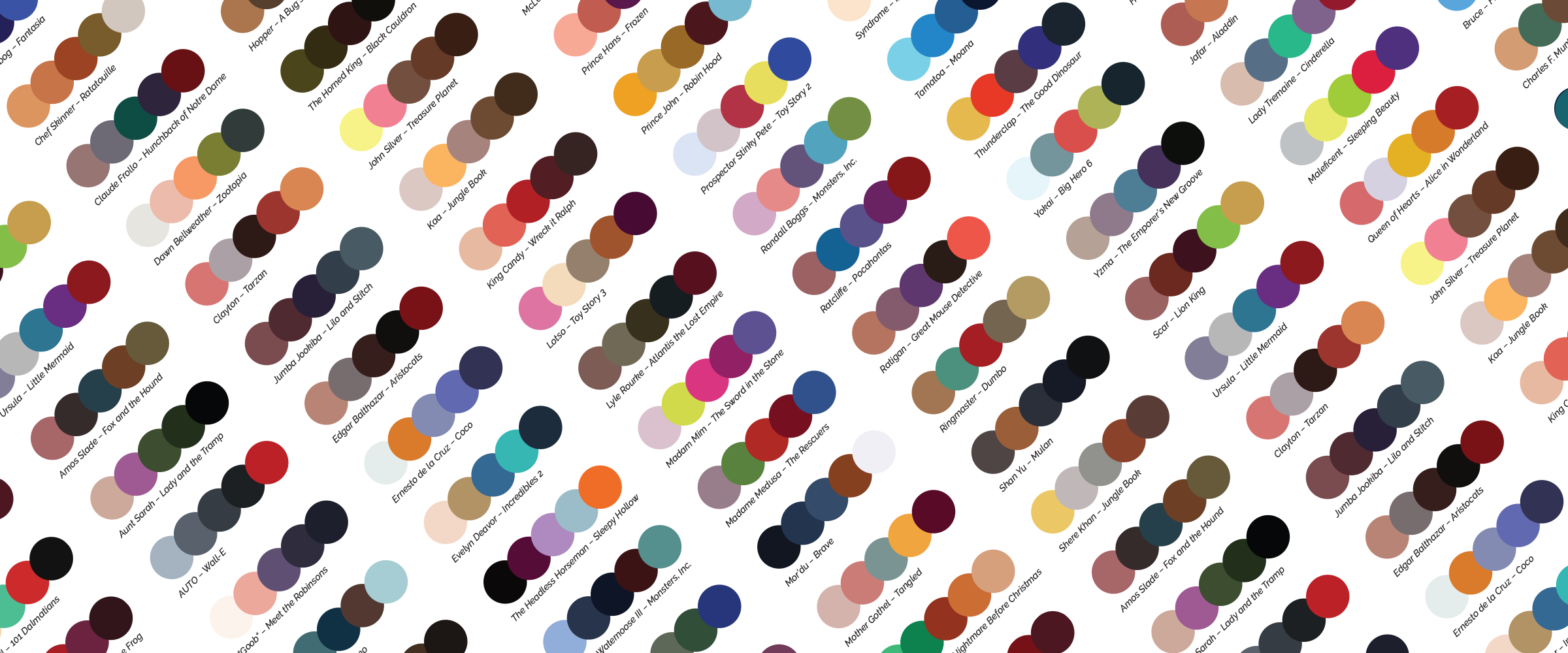
Overview: A visual catalog of over 60 Disney villain color palettes to reveal how hue, contrast, and design choices shape our perception of animated evil.
Villainy! Enjoy this collection of color swatches derived solely from Disney’s cast of animated deplorables.
What you’ll learn
Is it possible to tell whether or not a character is ‘evil’ based on their appearance? Is there a predisposition to stereotype characters wearing sinister shades of blue/purple/red as the “bad guys?” Are these 60+ evil color palettes fairly distributed across the spectrum? Are we just profiling Disney antagonists like some sort of TSA agent? Find out below!
Download the Palettes
All 60+ five‑color Disney villain palettes are available as a downloadable collection in the following formats:
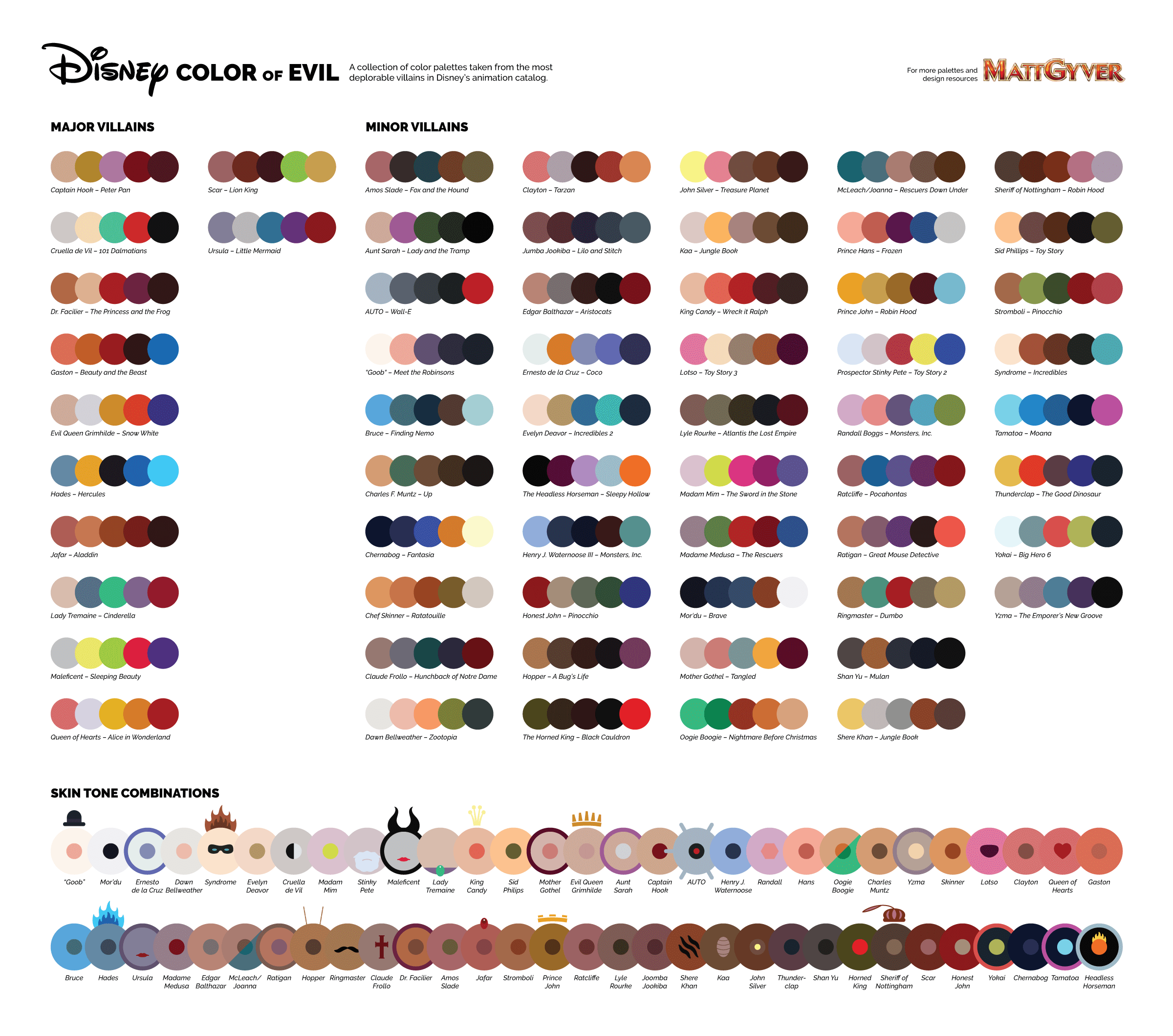
Disney villain color references
I’ve organized this collection of color palettes of Disney’s most iconic animated villains into two groups—major villains and minor villains. Each major and minor Disney villain color reference was extracted directly from their on‑screen designs under typical lighting conditions.
Major Villains

Captain Hook – Peter Pan

Cruella de Vil – 101 Dalmatians

Dr. Facilier – Princess and the Frog
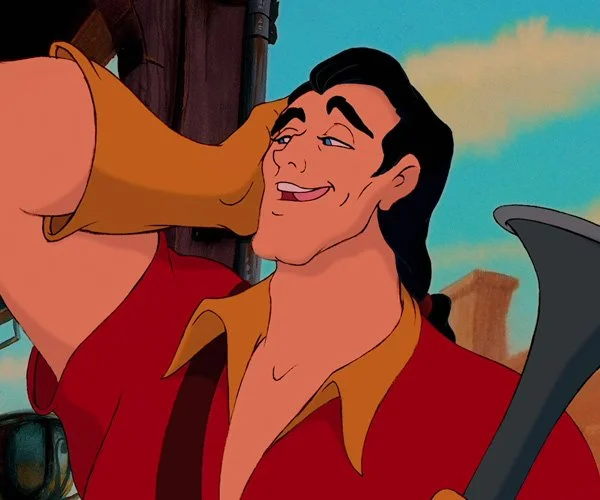
Gaston – Beauty and the Beast

Evil Queen Grimhilde – Snow White
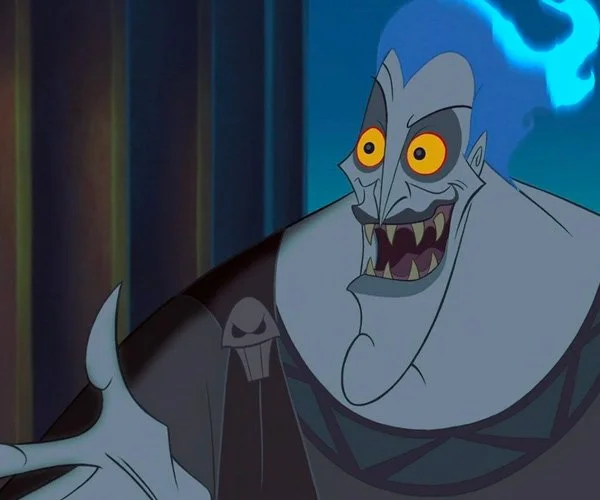
Hades – Hercules
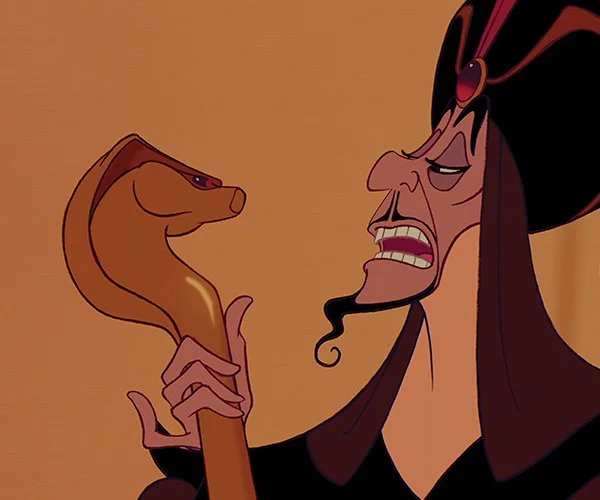
Jafar – Aladdin

Lady Tremaine – Cinderella

Maleficent – Sleeping Beauty
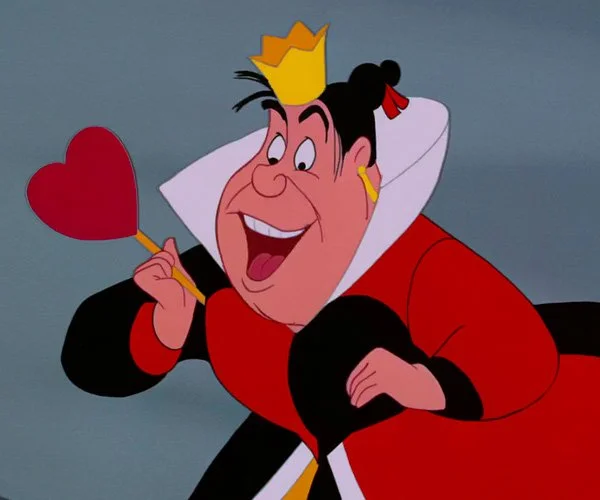
Queen of Hearts – Alice in Wonderland

Scar – Lion King

Ursula – Little Mermaid
Minor Villains
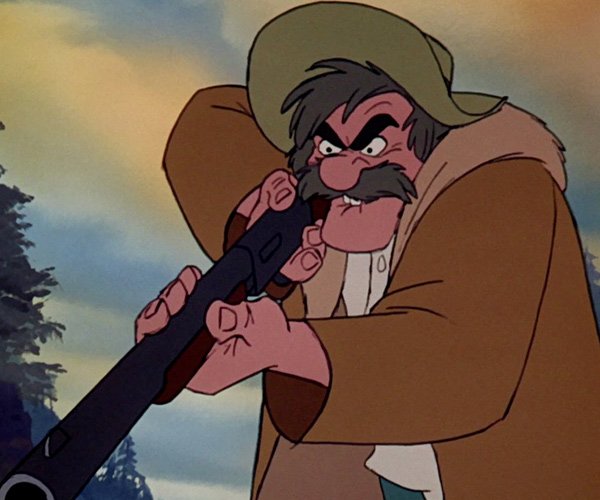
Amos Slade – Fox and the Hound
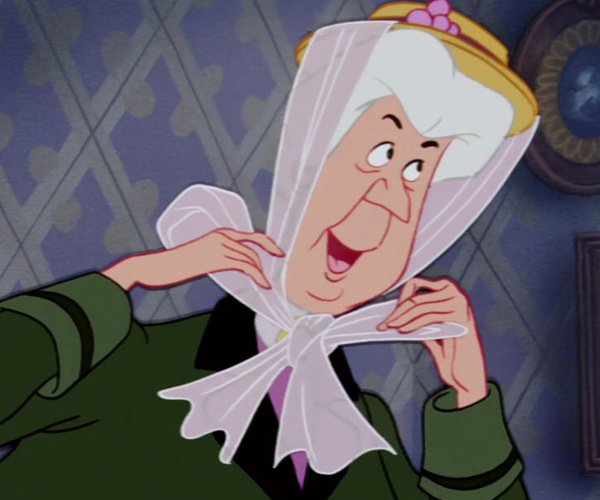
Aunt Sarah – Lady and the Tramp

AUTO – Wall-E
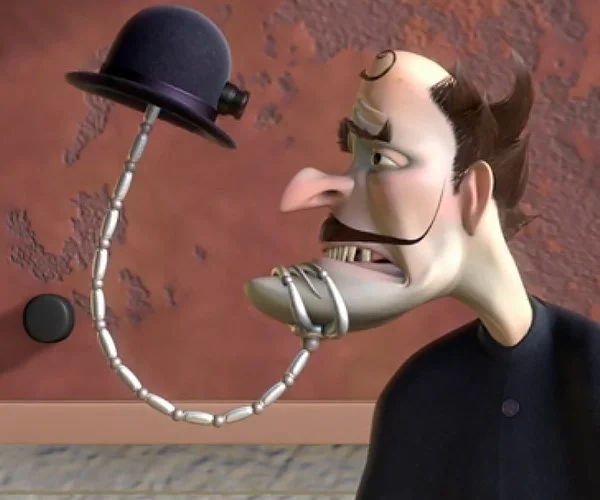
Bowler Hat Guy aka “Goob“ – Meet the Robinsons
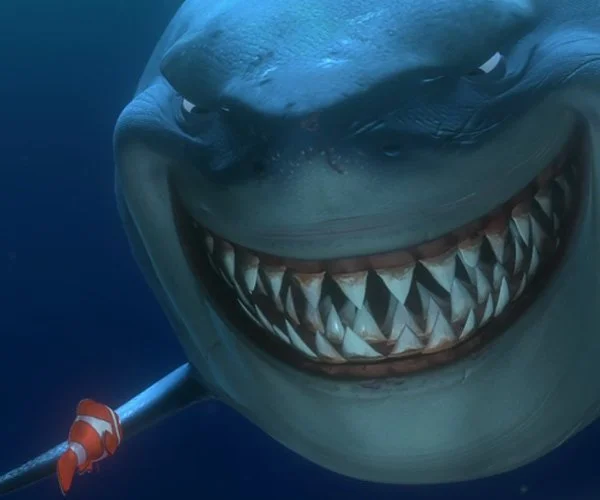
Bruce – Finding Nemo

Charles F. Muntz – Up
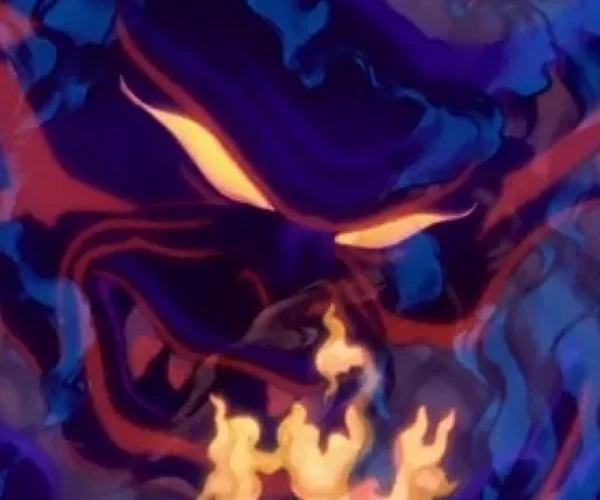
Chernabog – Fantasia
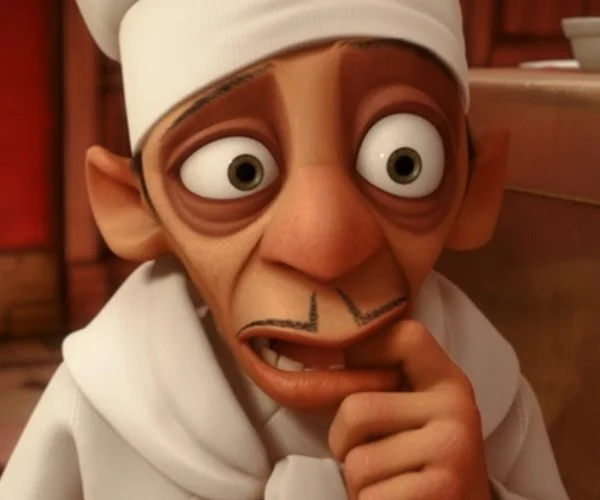
Chef Skinner – Ratatouille

Claude Frollo – Hunchback of Notre Dame

Dawn Bellweather – Zootopia

Clayton – Tarzan

Jumba Jookiba – Lilo and Stitch

Edgar Balthazar – Aristocats

Ernesto de la Cruz – Coco

Evelyn Deavor – Incredibles 2

The Headless Horseman – Legend of Sleepy Hollow
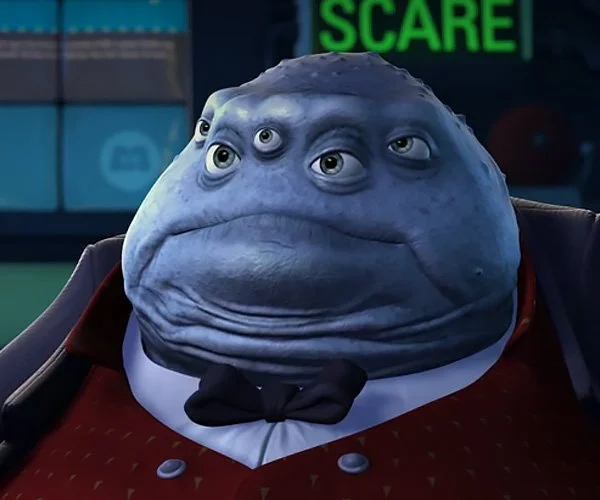
Henry J. Waternoose III – Monsters, Inc.

Honest John – Pinocchio

Hopper – A Bug’s Life

The Horned King – Black Cauldron
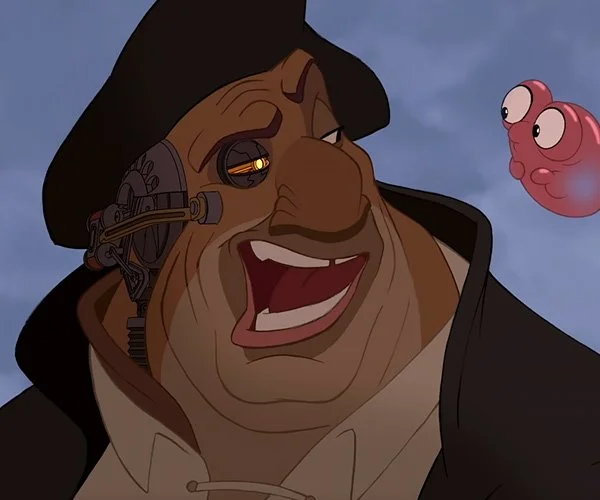
John Silver – Treasure Planet
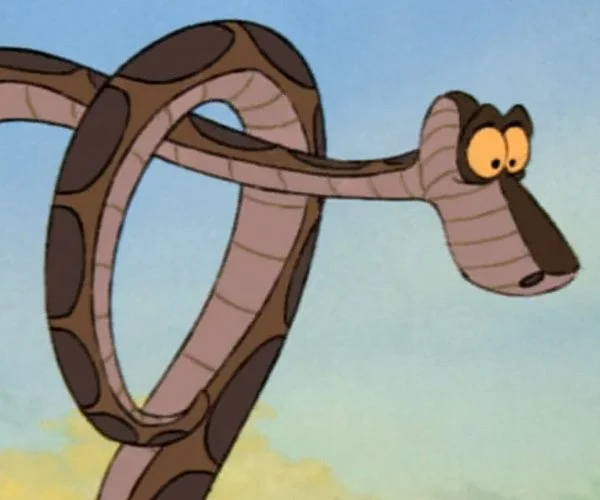
Kaa – Jungle Book

King Candy – Wreck it Ralph

Lotso – Toy Story 3
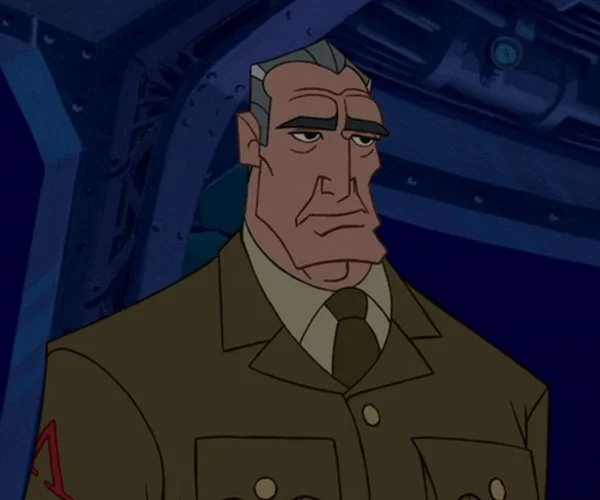
Lyle Tiberius Rourke – Atlantis the Lost Empire

Madam Mim – The Sword in the Stone
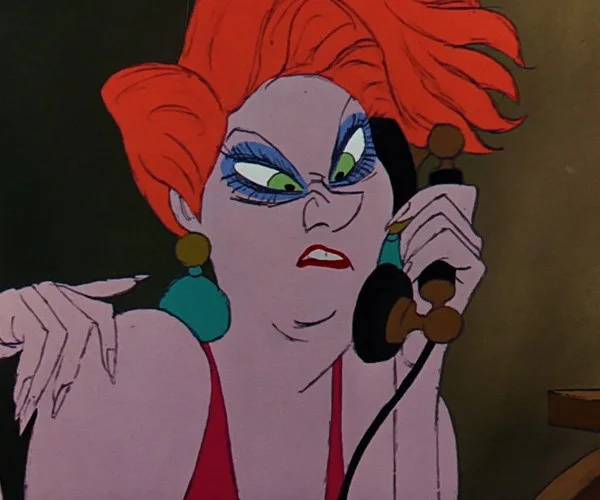
Madame Medusa – The Rescuers

Mor‘du – Brave

Mother Gothel – Tangled
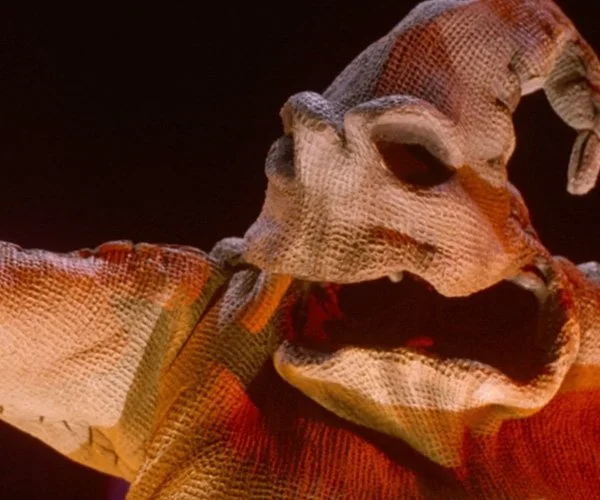
Oogie Boogie – Nightmare Before Christmas

Percival C. McLeach and Joanna – Rescuers Down Under

Prince Hans – Frozen

Prince John – Robin Hood

Prospector Stinky Pete – Toy Story 2
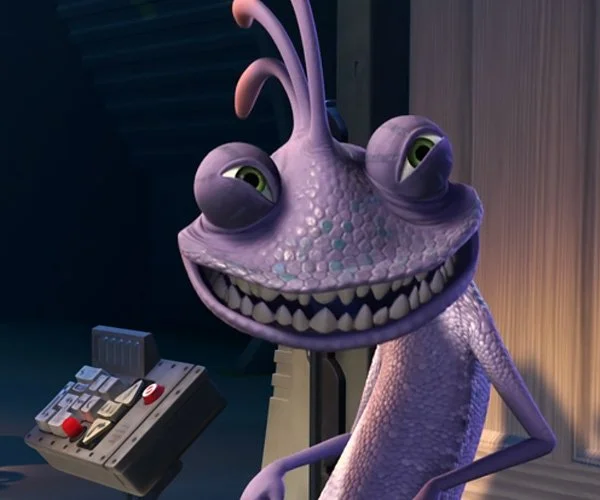
Randall Boggs – Monsters, Inc.

Ratcliffe – Pocahontas

Ratigan – Great Mouse Detective
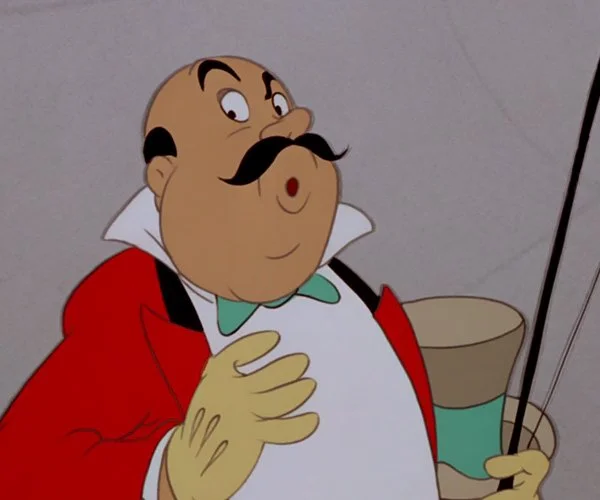
Ringmaster – Dumbo
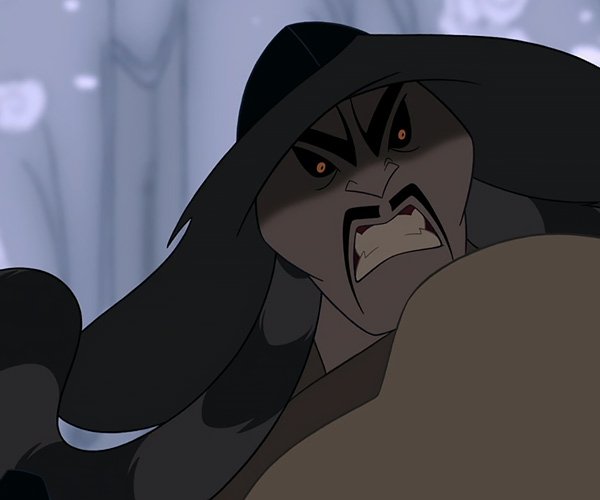
Shan Yu – Mulan
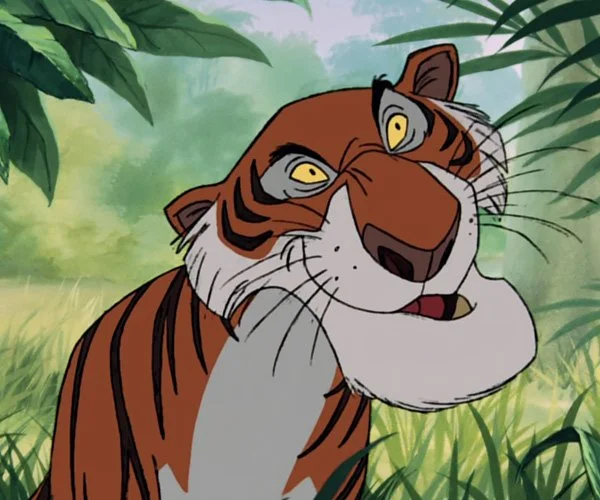
Shere Khan – Jungle Book
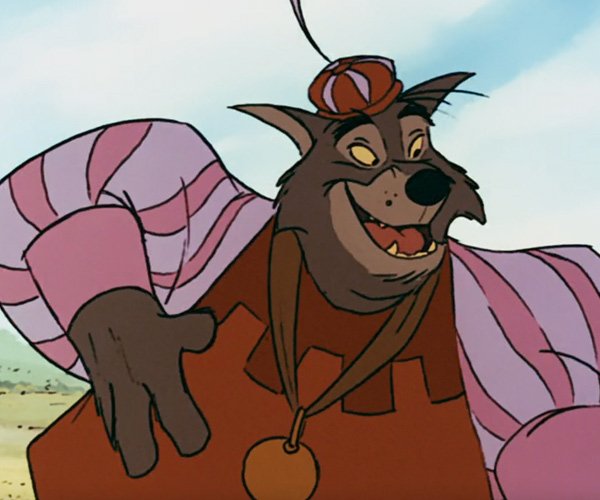
Sheriff of Nottingham – Robin Hood
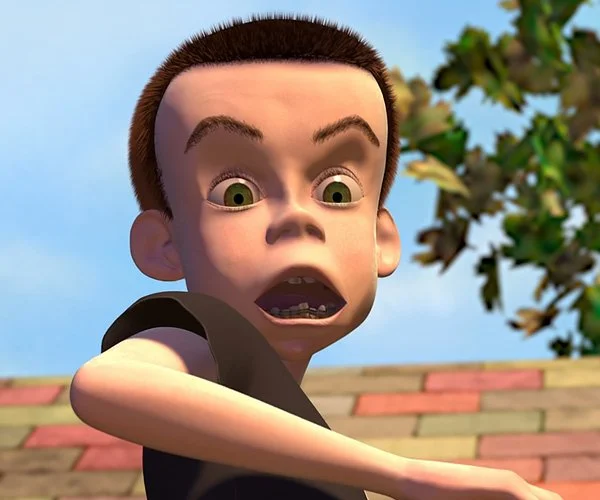
Sid Phillips – Toy Story
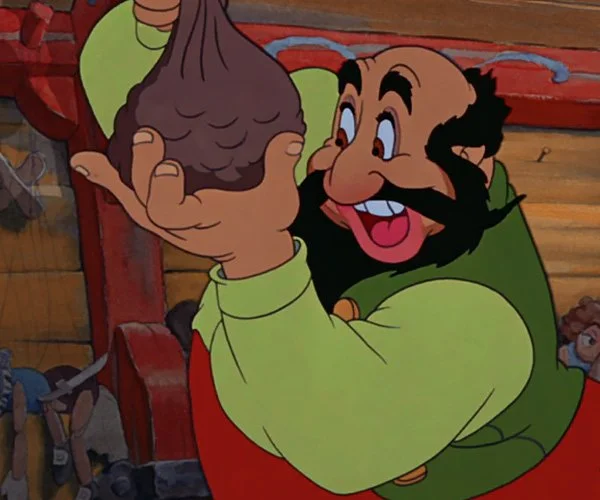
Stromboli – Pinocchio

Syndrome – Incredibles

Tamatoa – Moana
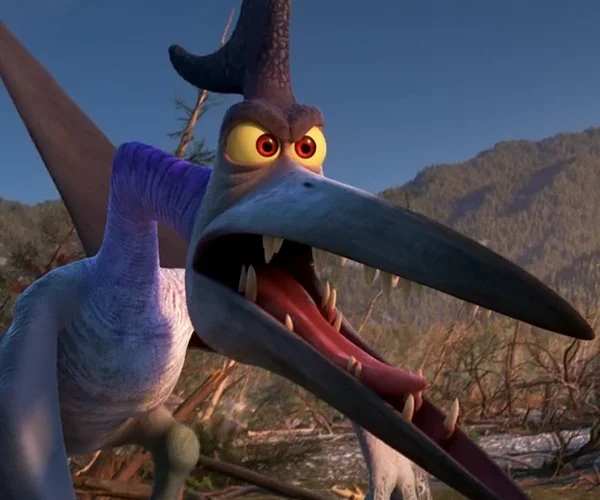
Thunderclap – The Good Dinosaur
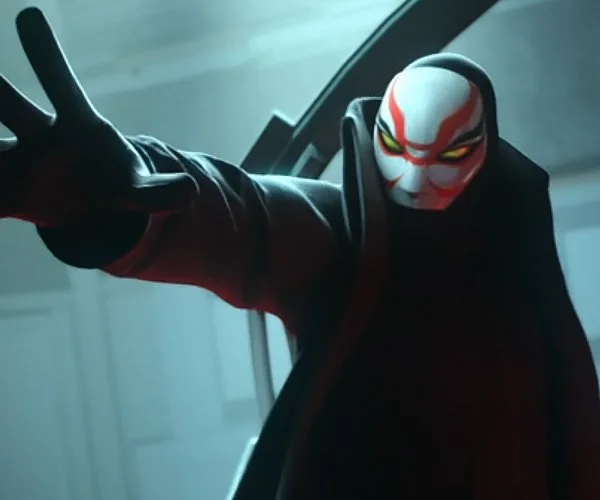
Yokai – Big Hero 6

Yzma – The Emporer’s New Groove
A profile of evil
According to the Cartoon Safety Administration (CSA), there are signs a character might be evil in addition to the color of their skin palette.

STOP! Stereotype toons by observing personality
The CSA have developed this friendly checklist to Stereotype Toons by Observing Personality (STOP) to make profiling quick and easy.
STOP and look for these common signs a cartoon might be evil:
Excessive baring of teeth, claws, sarcasm.
Complains about minor inconveniences or is overly impatient.
Conspires or strives to rule the kingdom, kitchen, daycare.
Literally a snake (or can transform into one).
Widely open staring eyes with hypnotic powers.
Extravagant, ceremonial, or authoritative attire, jewelry, accessories.
Measured or reserved attitude with cold, manipulative, calculated responses.
Gazes into and/or solicits advice from spooky sentient objects.
Collects souls, talks about souls, guards souls, can’t wait to acquire more souls.
Wringing of hands in a sinister manner.
Doofus henchmen (assess using the Distribution of Intelligence Measurement—*DIM).
* The DIM is an intelligence distribution calculation asserting that all henchmen are equally dumb. As such: 1 henchmen will contain 100% of the available (usually low) intelligence, 2 henchmen will contain 50% of the intelligence, 3 henchmen will each have 33%, 10 will have 10%, and so on. See also key henchmen exception.
Wrapping up
Thanks for readaing and I hope you enjoyed that little diversion! Be sure to check out my data visualization poster for this Disney villain color study, available in the store.
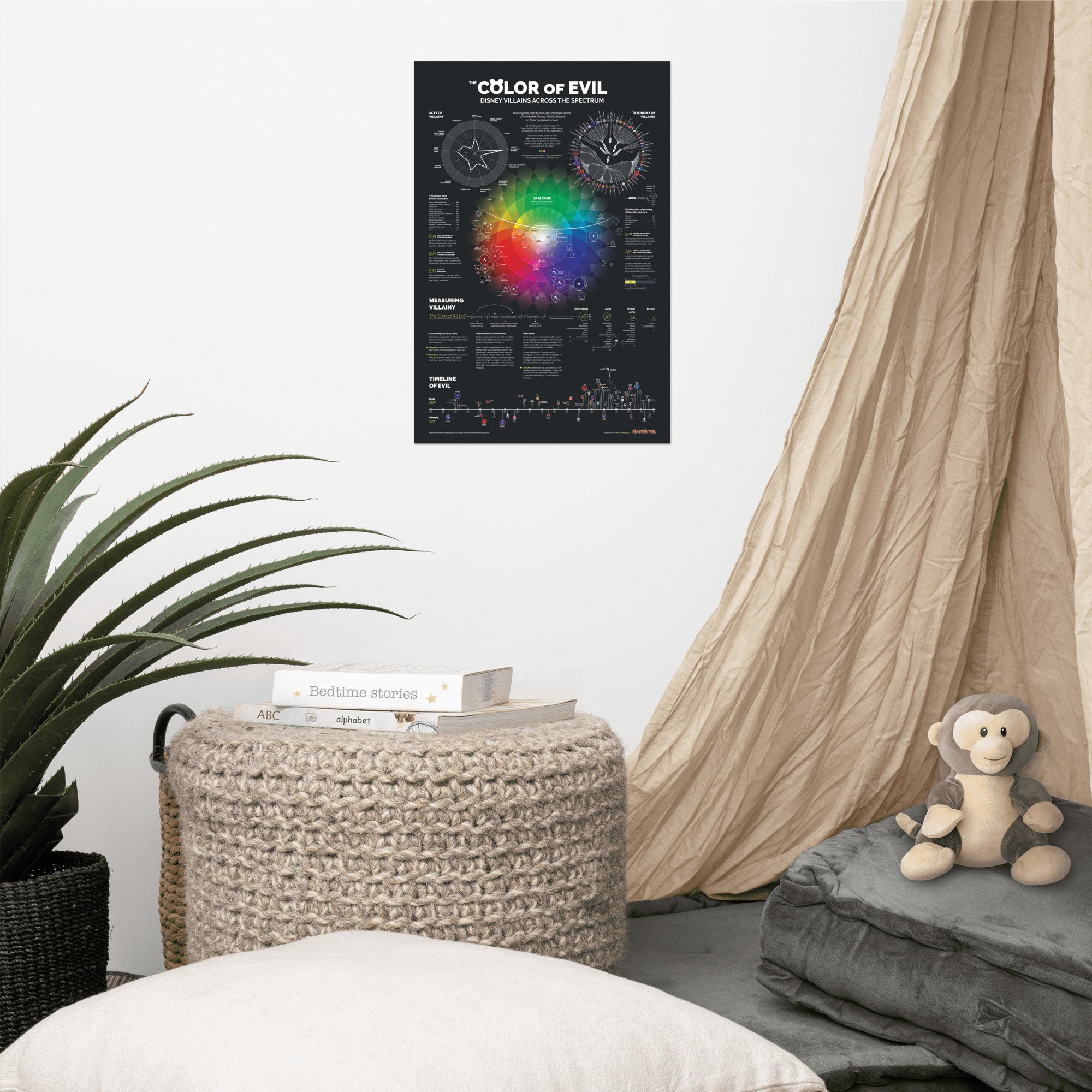
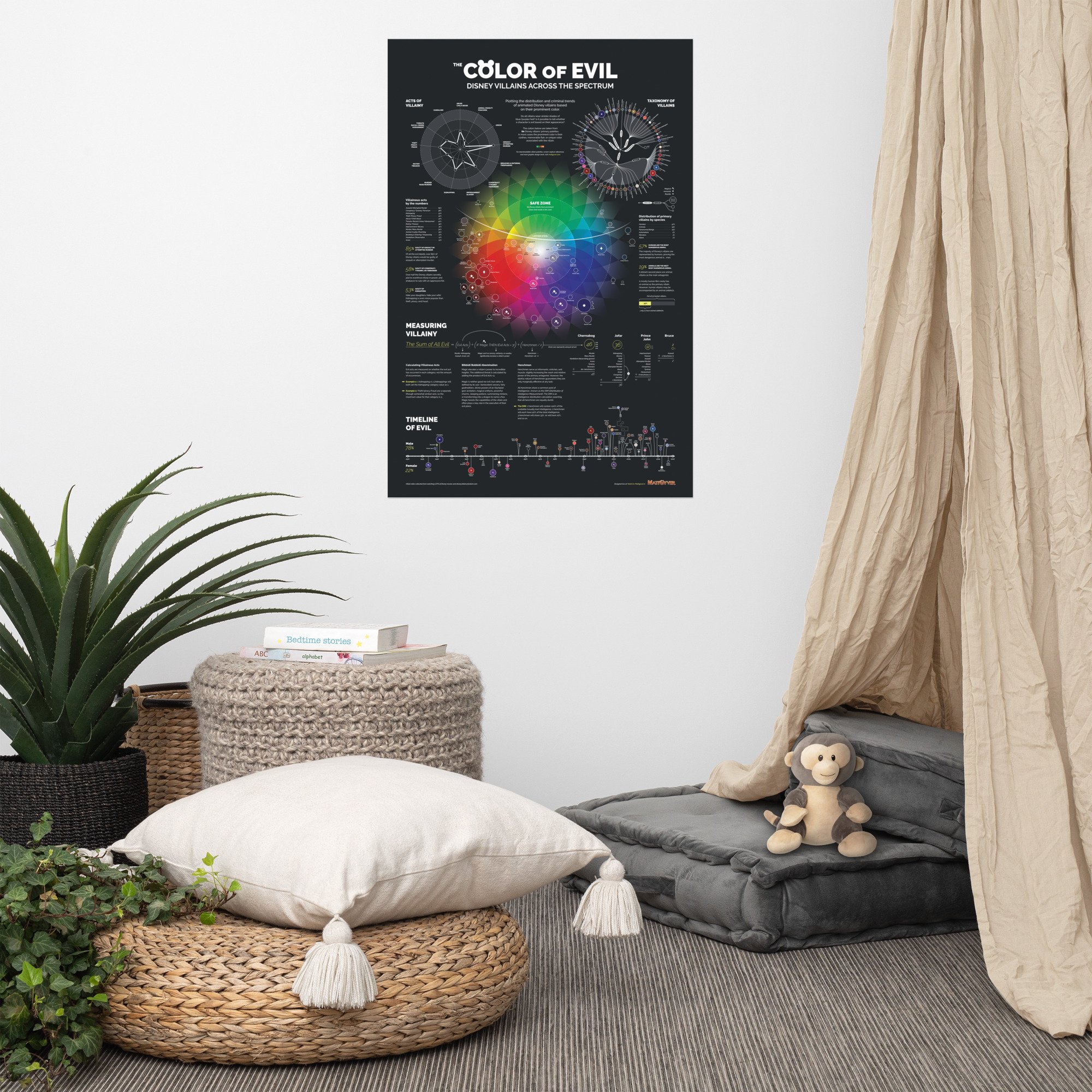

Do all Disney villains wear sinister shades of blue/purple/red? Is it possible to tell whether a character is evil based on their appearance? This lovingly crafted data visualization plots the criminal trends of Disney’s animated cast of deplorables by color palette, evil deeds, classification, and timeline.
For free downloadable Disney villain color swatches and screen capture references, check out the companion Color of Evil article.
• Paper thickness: 10.3 mil
• Paper weight: 5.57 oz/y² (189 g/m²)
• Giclée printing quality
• Opacity: 94%
• ISO brightness: 104%